Floristella: stories of men and sulphur
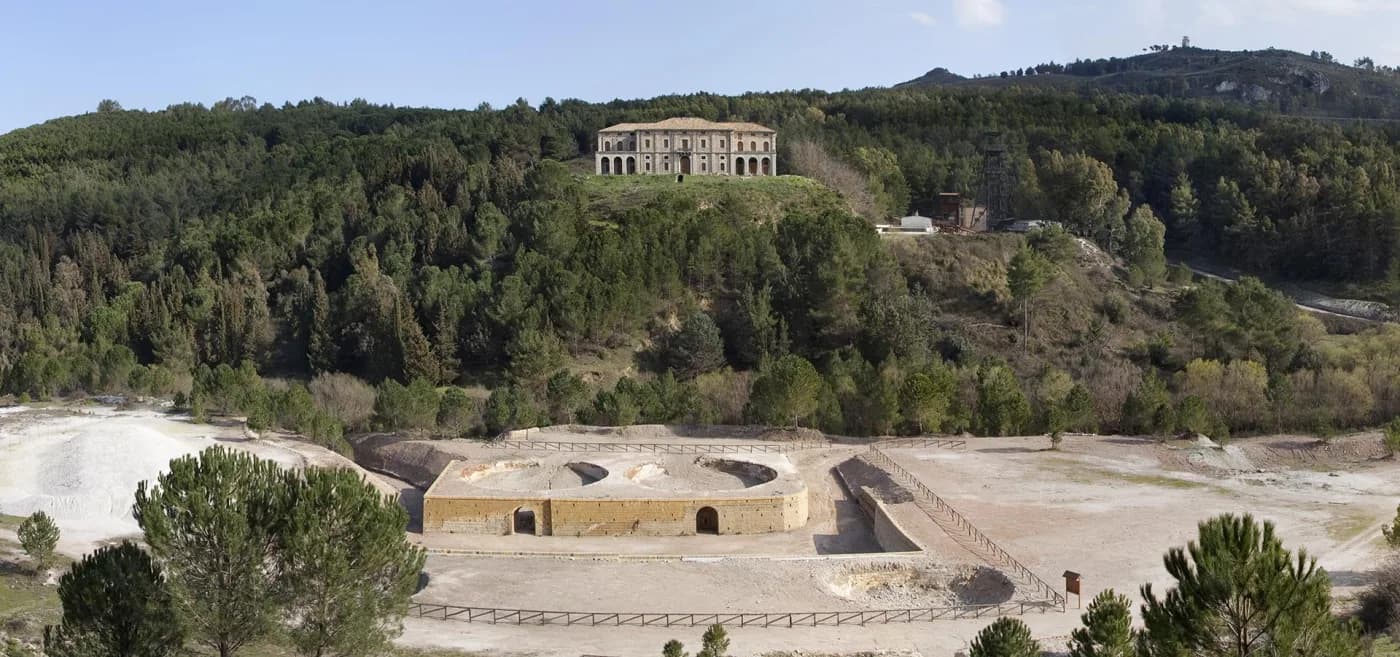
Through its history, we can discover the courage and determination of the men who worked there, despite the extreme conditions and the risks to which they were exposed. The history of the Floristella mine has its roots in the nineteenth century, when the sulphur industry reached its peak in Sicily. Sulphur, a precious mineral used in various industrial sectors — including agriculture and the manufacture of munitions — was abundant in this region and represented a fundamental resource for the Sicilian economy. The Floristella mine was founded in 1864 by an English company called “The Floristella Sulphur Company Limited”. The workers, known as “carusi”, were for the most part poor peasants from the surrounding rural areas. These men, often adolescents or young adults, ventured into the depths of the mine armed only with picks and oil lanterns, ready to carry out extremely gruelling and dangerous work. The conditions inside the mine were extreme: high temperatures, poor air circulation, toxic dust and the risk of explosions. The carusi spent whole days in the underground galleries, digging and carrying the raw mineral up to the surface. Their days were marked by the relentless rhythm of work and by the hope of returning home unharmed. Despite the difficulties, the Floristella mine reached a significant production of sulphur, becoming one of the most important on the island. The price paid by the workers, however, was high: many lives were sacrificed to accidents, respiratory diseases and health problems arising from prolonged exposure to harmful substances.
(The most modern extraction tower)
The history of the Floristella mine is also marked by moments of struggle and of the workers’ assertion of their rights. Over time, the carusi organised strikes and protests to demand better working conditions and greater protection of their health. These battles, though often made difficult by the climate of oppression and exploitation, helped lay the foundations for a growing social awareness and for improvements in working conditions in the mining sector. In the 1970s, with the advent of new technologies and the evolution of the energy sector, the sulphur industry in Sicily underwent an irreversible decline. The Floristella mine closed its doors for good in 1991, leaving behind it a precious testimony to a bygone age. The history of the Floristella sulphur mine is a warning to future generations, a reminder of how work and the pursuit of prosperity demanded extreme sacrifices. It is a tribute to the resilience and courage of the men and women who helped shape Sicily’s industrial past. Through awareness of this history, we can appreciate all the more the progress and developments that society has made in guaranteeing safer and more dignified working conditions for all.
Today, the Floristella mine has become a museum and a historic site that preserves the memory of one of Sicily’s most important extractive activities. Through guided routes and exhibitions, visitors can relive the atmosphere and the harshness of the carusi’s work, coming to understand the historical and cultural importance of this mine. Moreover, thanks to the environmental and landscape guides authorised by the Mining Park, Floristella has today become a place of experiences of various kinds: botanical treks, walks by bicycle or e-bike with cultural visits, and cultural excursions.