Geo-tourism where the sea once was
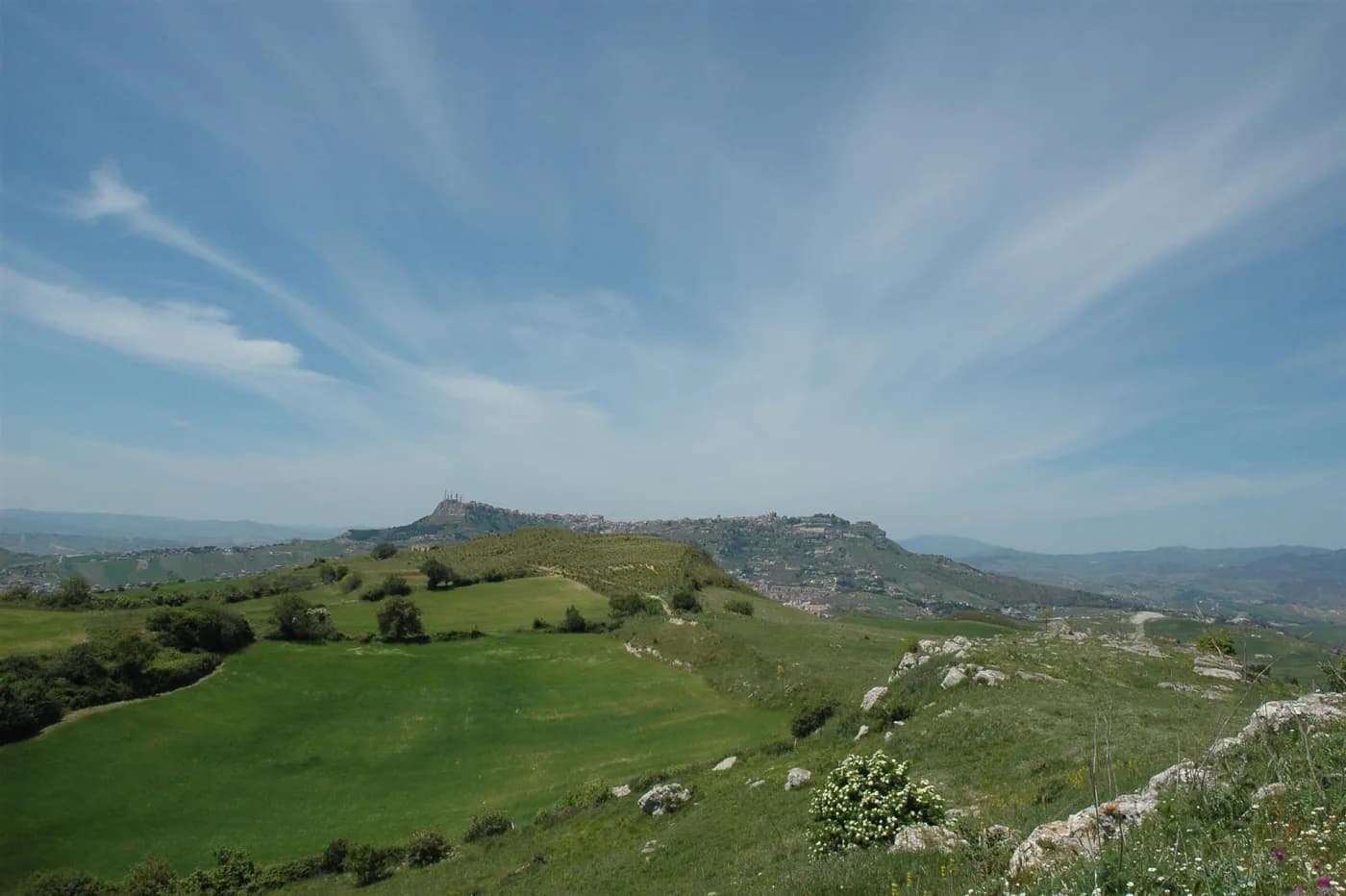
In the subsoil of the lands of Kore Siciliae great quantities of salt lie hidden, and great deposits of sulphur and gypsum were formed, because the bed of the ancient sea that once was here — the palaeo-Mediterranean — dried up almost to the point of extinction about 6 million years ago, and then rose to today’s average heights of 500–700 metres above sea level as a result of the overlapping of the two continental plates, the African and the European. History has laid down a geological heritage so important that it has been recognised by UNESCO with the creation of one of the more than 200 Geoparks scattered across 48 countries around the world.
But only here could the name celebrate a deity: Ceres, known to the Greeks as Demeter, Mother-Goddess and tutelary deity of wheat, of the earth and of fertility. Her sanctuary, described by Cicero as well, had been built as early as Greek times at Enna, on the great limestone spur — the Rocca di Cerere, from which the Geopark takes its name — overlooking, from a sheer drop, an endless expanse of wheat fields dotted with olive trees.
Today you cross the Rocca di Cerere Geopark and come upon dozens of thousand-year-old villages shaped by geology itself and almost camouflaged in the rock, where beauty and simplicity reign, inhabited by welcoming communities that live and work here looking to the future while remaining respectful of their own history and traditions, guarding the environment and the landscape with passion.
You discover an extraordinary monumental heritage — the lesser-known one of the territory’s other UNESCO site, the Roman Villa del Casale of Piazza Armerina — hundreds of less famous but equally fascinating archaeological areas such as Morgantina, towns of art, museums and unexpected collections, basilicas, mother churches, sanctuaries and convents that are treasure chests of art and devotion, expressing a relationship with the sacred whose deep roots find expression in feasts, rites and processions of ancient memory and great popular participation.
Here, at the centre of the Mediterranean, the first human presences date back to migrations of peoples of European and African origin — the former arriving probably by sea, the latter across that arm of land that once joined Sicily to the African continent. Today, in a world that seems to feel only fear of migration, here you can experience welcome, sharing and exchange. In short, the authentic meaning of life.