kore siciliæ
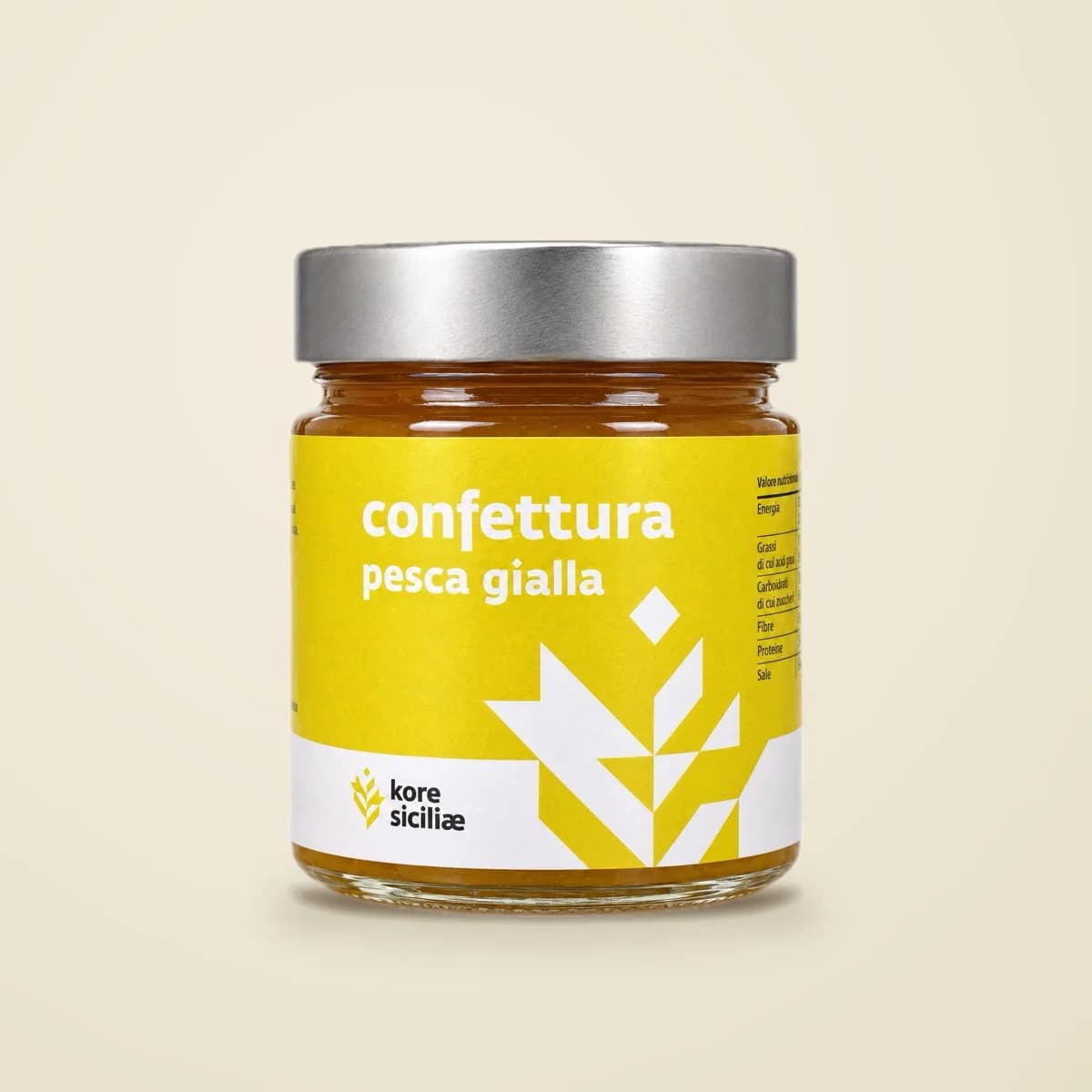
Leonforte Peach jam (yellow flesh) 250 g
Kore Siciliæ · Leonforte
Artisan jam made with yellow-flesh Leonforte peaches, sweet and fragrant.
€ 6.90
Kore Siciliæ · Enna
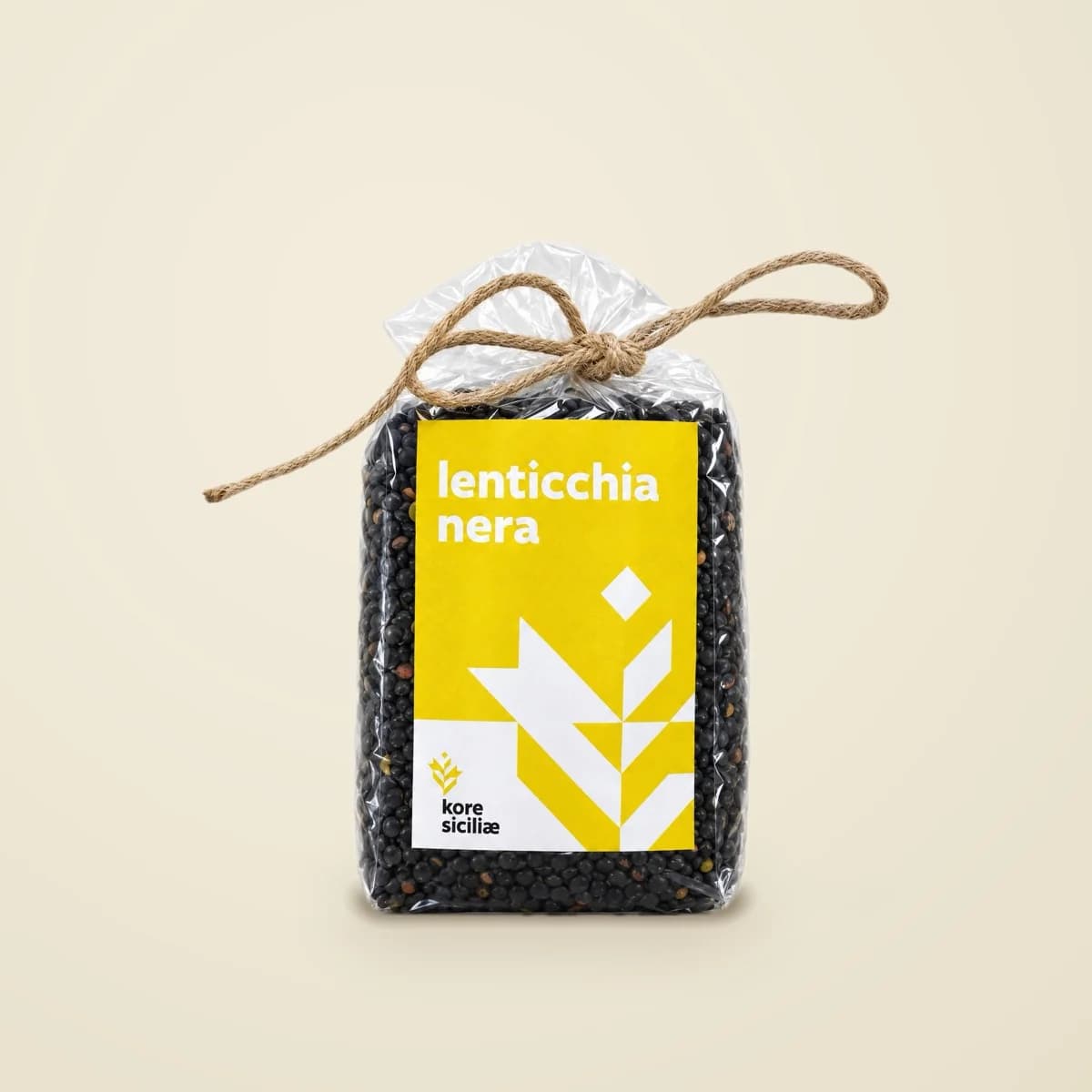
Small, flavourful Sicilian black lentil from the Enna area's fields.
A small, flavourful black lentil that holds its shape when cooked.
Perfect in soups, warm salads and side dishes.
Ingredients, allergens and nutrition facts
We are transcribing the labels onto the website. Before buying, you can ask the consortium for this product's ingredients, allergens and nutrition facts:
History and land
Lentils have been grown all over the Mediterranean since the Neolithic. They have been found in the storerooms of Sumerian palaces, in many Egyptian tombs and in the excavations of Troy, and they were certainly a staple of all the nomadic peoples of Asia Minor. The ancient Greeks and Romans saw them as an energy-rich, nourishing food, fit for the tables of the common people, soldiers, farmers and slaves. Every day, shiploads of lentils (as well as spelt, chickpeas and peas) reached the port of ancient Ostia from Egypt and North Africa, the true granaries of the Empire.
In Republican times Cato the Censor also encouraged growing them in the Roman countryside: in his De agri cultura (2nd century BC) he suggested storing them dried after marinating them first in vinegar and then in oil. The Lentuli, patricians of the gens Cornelia, profited greatly from them, and their family name came from growing lentils on a large scale. In the 1st century AD Pliny the Elder believed they brought a calm temper to those who ate them regularly, and throughout the Middle Ages they replaced meat on fast days. They were always found in monastery gardens and pantries because, as the 16th-century physician and botanist Castore Durante put it, they helped monks live chastely and quench “venereal appetites and sexual seed”.
Beyond its nutritional value, this humble legume is forever tied to the “mess of pottage”, the dish of lentils for which Esau sold his birthright, his right to inherit from his father Isaac, to his brother Jacob. Those were most likely “Egyptian” lentils, typical of North Africa, very small and reddish-orange, like the ones used in India for dahl, a tasty, spicy dish.
The black variety, on the other hand, is a rare and highly prized ecotype grown in Leonforte since time immemorial. Common in the area until the 1950s, it was sown in rotation to make poor, stony and sandy soils fit for growing cereals. After decades of neglect, in recent years a few grower-custodians have managed to recover its seeds, which they grow on a few hectares of the same land with the traditional methods of the past. Each produces just a few kilos of a small to medium lentil, black outside and reddish-brown or cream inside, full of flavour and with a distinctive mineral note.
Texts from the historical and food profiles written by experts for the consortium.
Kore Siciliæ · Leonforte
Artisan jam made with yellow-flesh Leonforte peaches, sweet and fragrant.
Kore Siciliæ · Leonforte
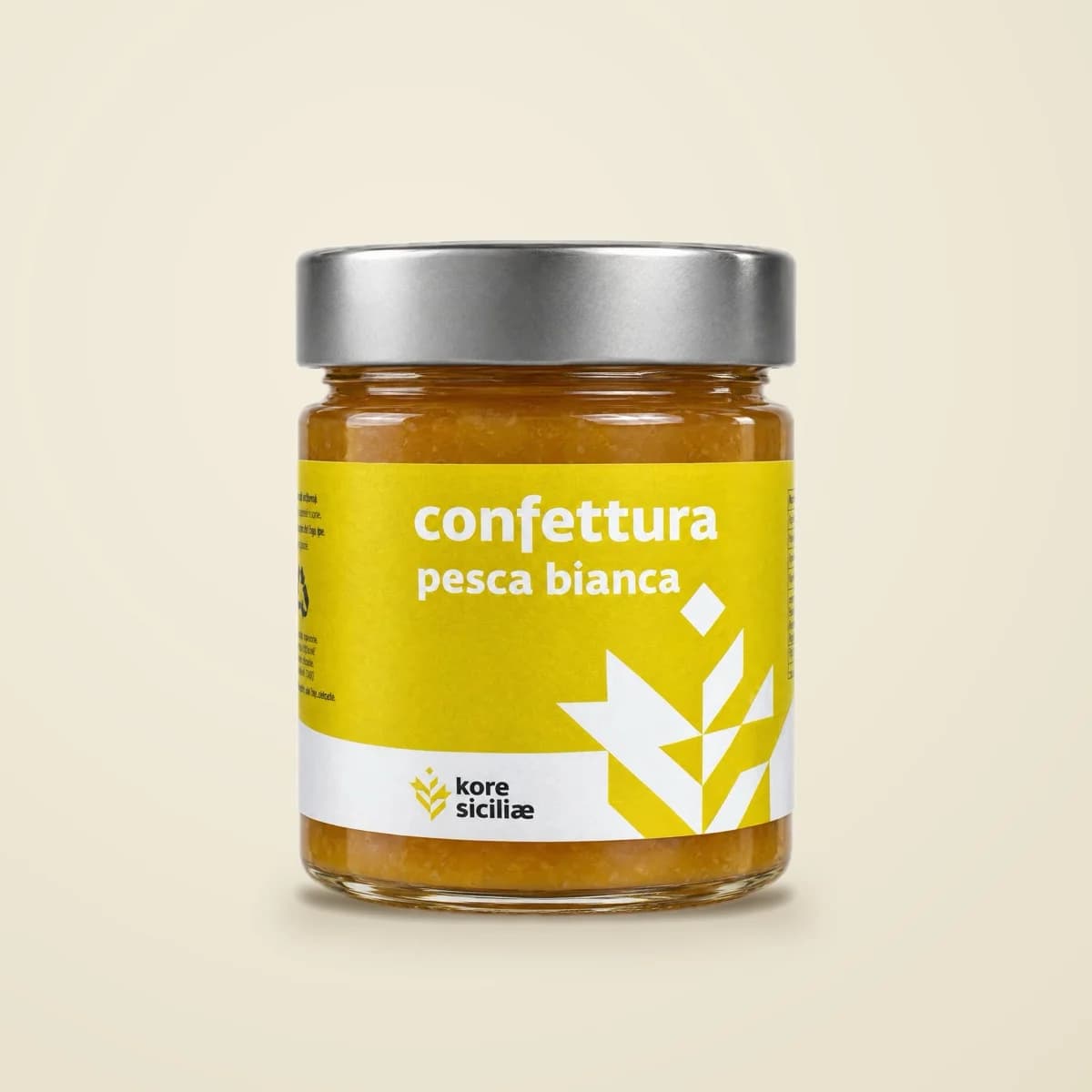
Jam made with white-flesh Leonforte PGI peaches, delicate and aromatic.
Kore Siciliæ · Enna
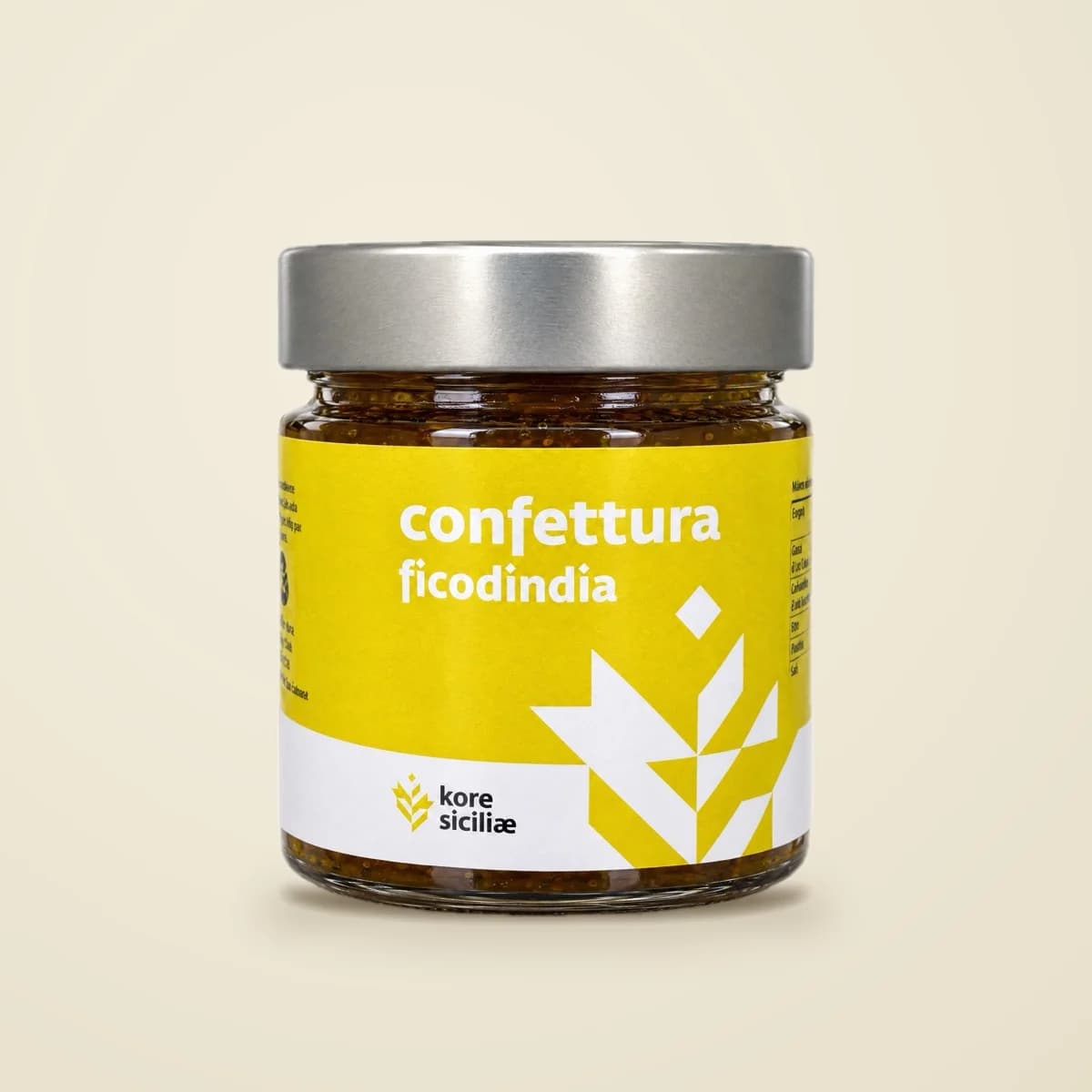
Sicilian prickly pear jam with a sweet, unmistakable taste.