kore siciliæ
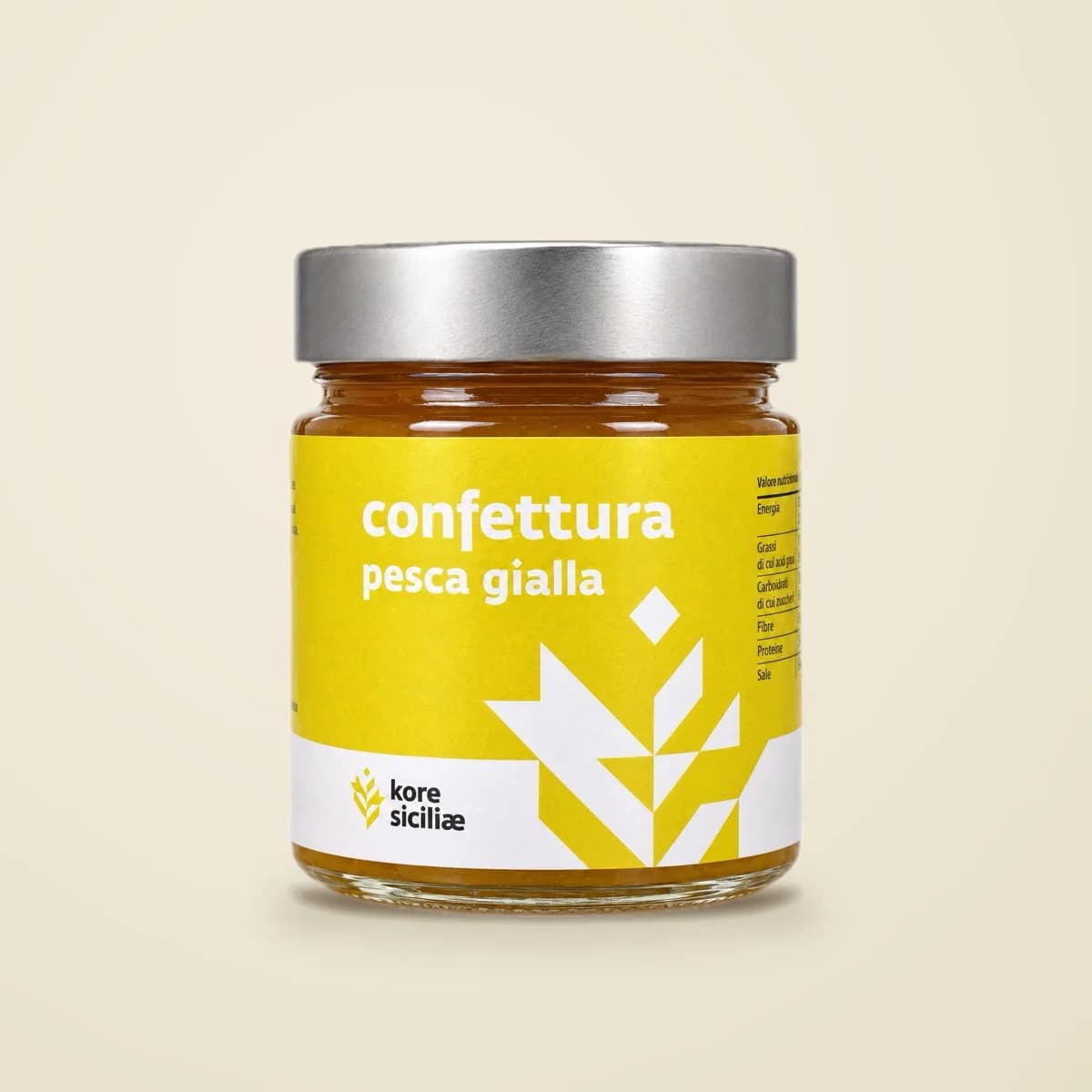
Leonforte Peach jam (yellow flesh) 250 g
Kore Siciliæ · Leonforte
Artisan jam made with yellow-flesh Leonforte peaches, sweet and fragrant.
€ 6.90
Kore Siciliæ · Enna
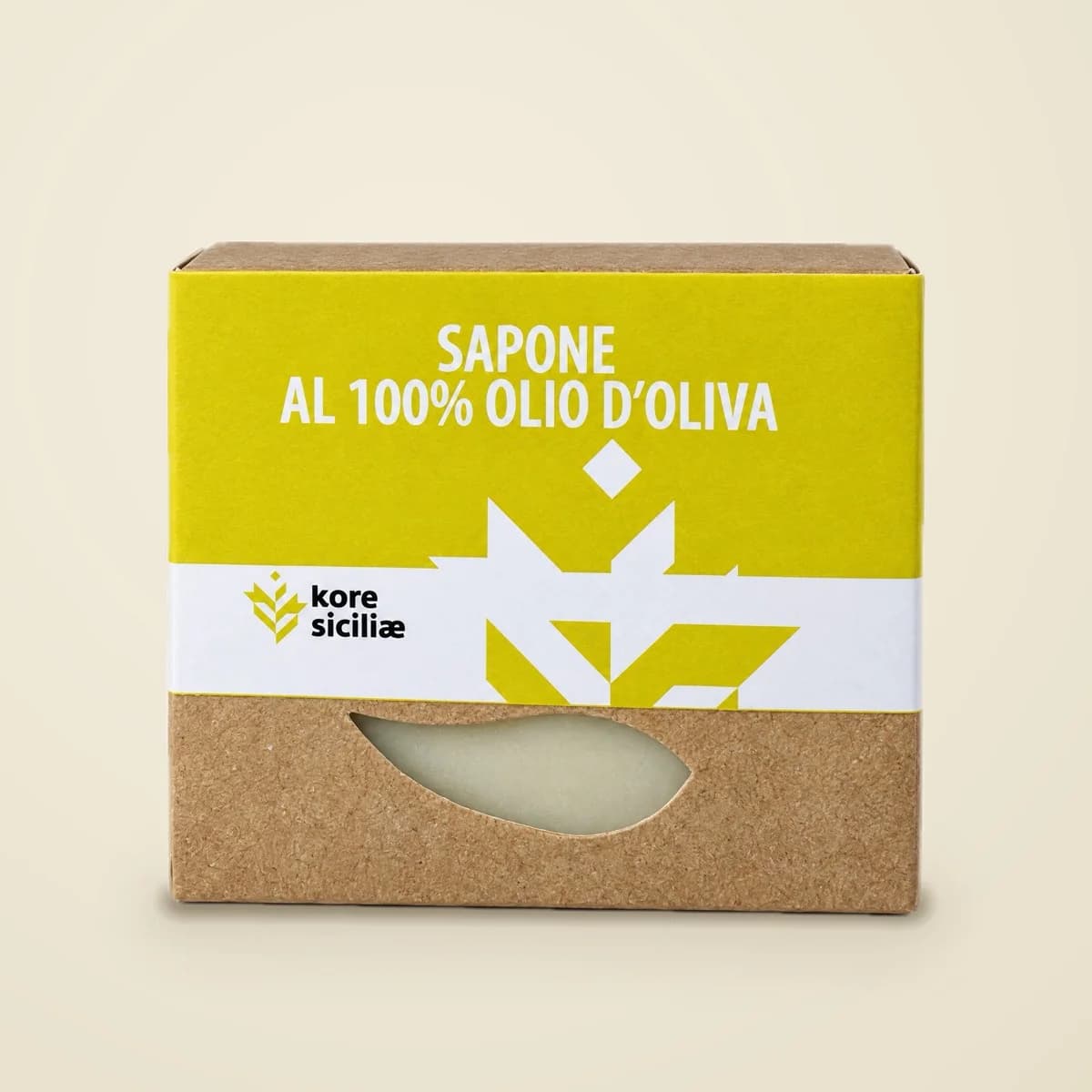
Handmade solid soap made with 100% olive oil.
A handmade solid soap made with just three ingredients: olive oil, water and soda.
A simple choice for daily care.
History and land
Greek myth tells that the first olive tree was “created” by Athena on the Acropolis of Athens, in answer to a challenge from Poseidon. From then on the tree became a symbol of prosperity and peace for whoever grew it; for this reason anyone who dared to cut down or uproot one was punished with lifelong exile. Legend has it that the first olive tree planted in Sicily was the work of Aristaeus, son of Apollo, during one of his many stays on the island; he is also credited with inventing the olive millstone and the lever press.
Leaving myth aside, the olive seems to have reached Sicily in the 8th century BC, when the Phoenicians founded the trading ports (emporia) of Motya, Solunto and Zyz (Palermo). In the 4th century BC the wealthy Siculo-Greek city of Morgantina, today in the Enna territory of Aidone, not only made great profits from its oil but built oil presses in private homes and worshipped an oil deity alongside the goddess Athena: a large oil jar kept in the Archaeological Museum of Aidone bears the inscription IEROS (sacred) EILALINOY (to the God of Oil).
In the 2nd and 1st centuries BC the Romans encouraged olive planting in central and northern Europe by demanding part of their taxes in oil; as a result, large olive groves in southern Italy were almost abandoned, to the advantage of producers in North Africa and Asia Minor. The Romans, however, also brought major improvements to the techniques and tools for milling olives and storing oil.
In the Middle Ages Sicilian olive growing found new life thanks to the Arabs, and local dialects still echo words of Arabic origin such as giarra (oil jar), burnia (clay pot for olives), coffa (woven rope bag holding the olive paste for pressing) and tumminu (a measure for olives). The Benedictine monasteries also played an important part, spreading rational farming practices and the building of oil mills.
The area’s devotion to the olive tree can also be seen at Lake Pergusa, home to the “International Field for the collection and conservation of olive Germplasm” gathered from olive-growing areas all over the world.
Texts from the historical and food profiles written by experts for the consortium.
Kore Siciliæ · Leonforte
Artisan jam made with yellow-flesh Leonforte peaches, sweet and fragrant.
Kore Siciliæ · Leonforte
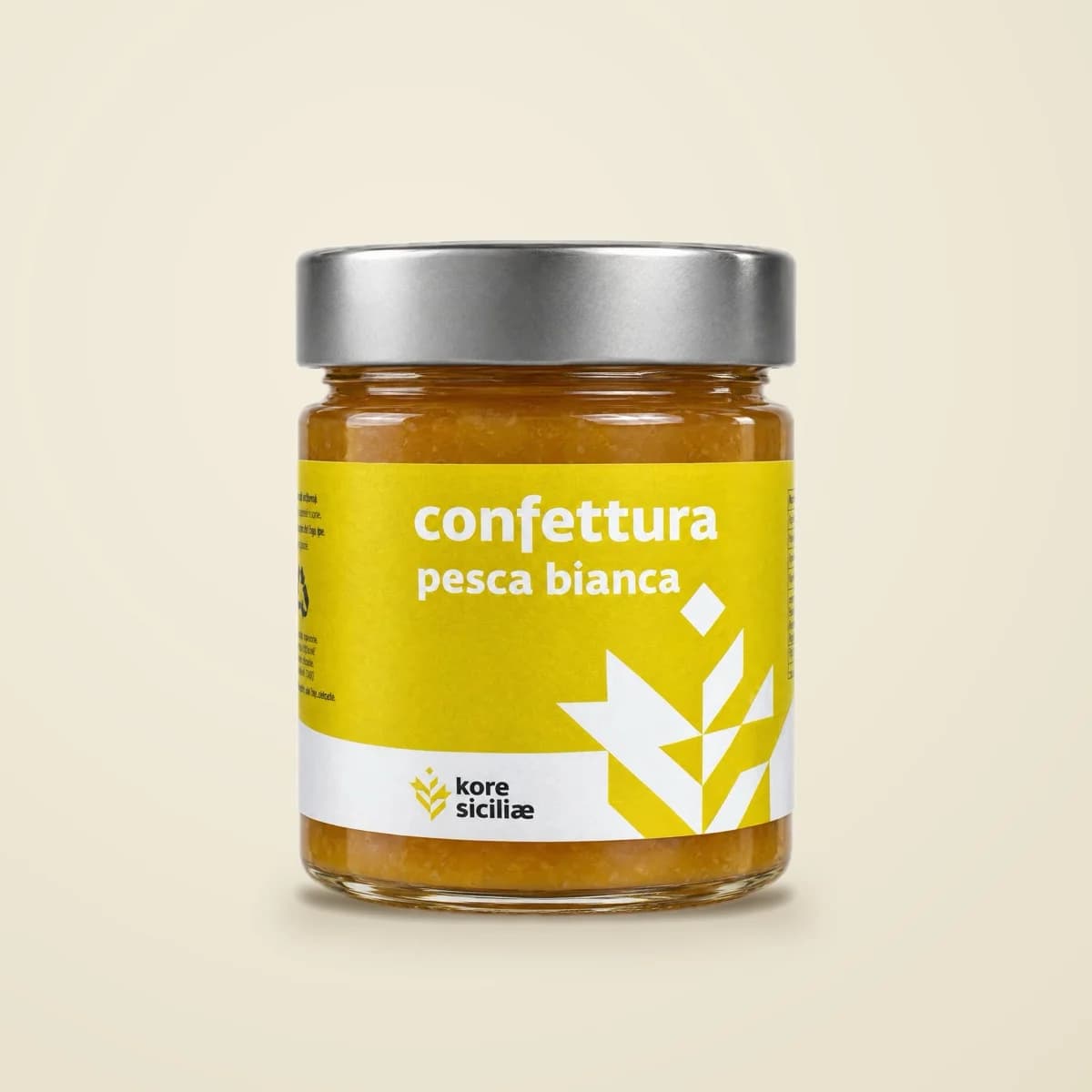
Jam made with white-flesh Leonforte PGI peaches, delicate and aromatic.
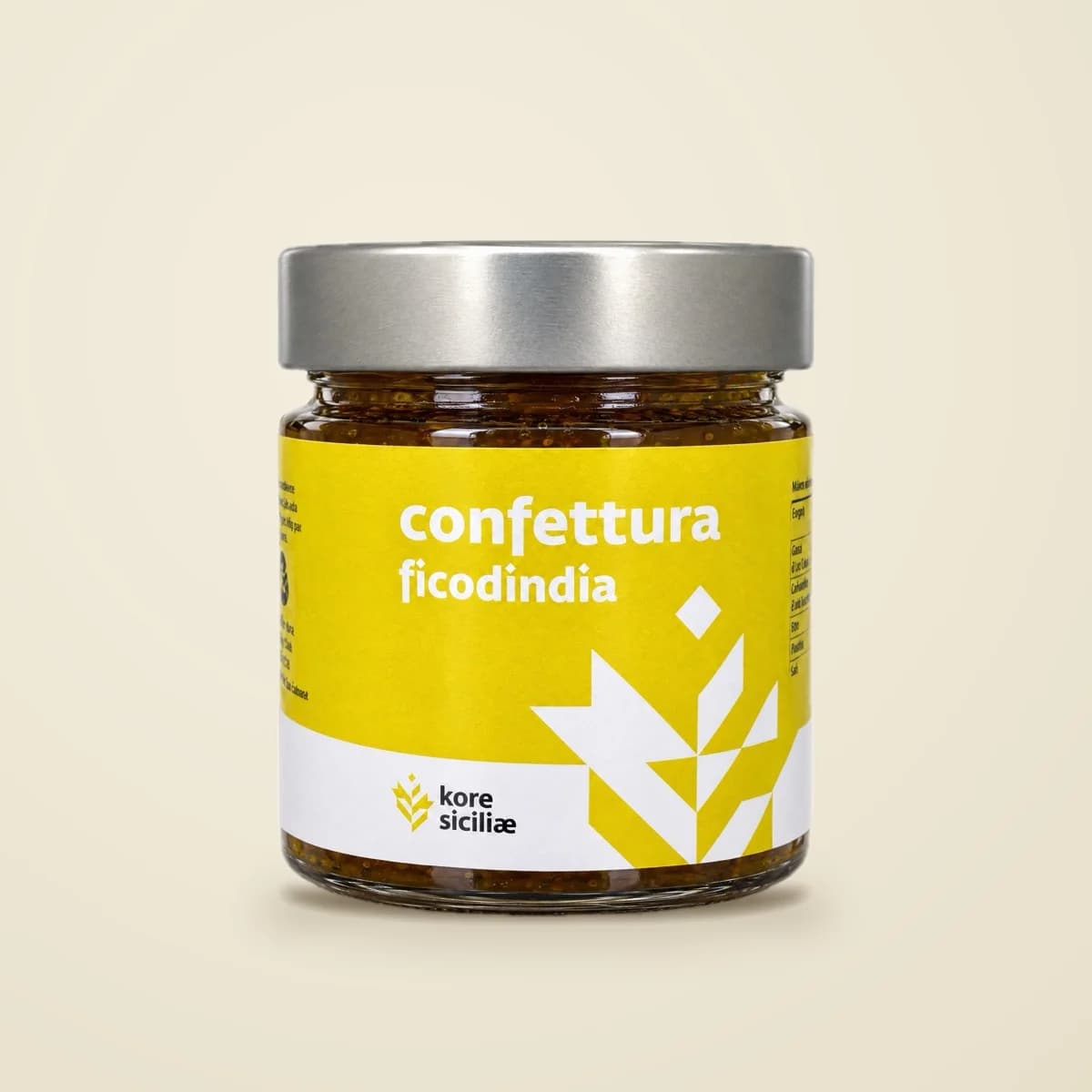
Kore Siciliæ · Enna
Sicilian prickly pear jam with a sweet, unmistakable taste.